Japanese Selvedge Denim: Why It’s So Special
Gianfilippo Cisternino
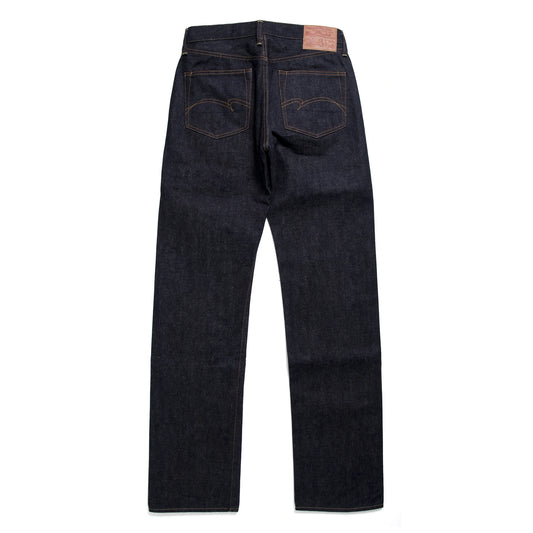
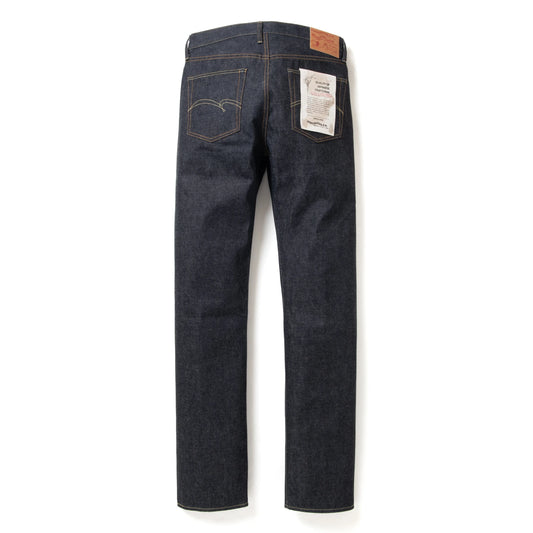
Japanese selvedge denim is widely considered one of the best in the world for its quality, craftsmanship, and respect for tradition. It’s not just a pair of jeans, but a garment designed to age beautifully and last for years.
What Raw Denim and One Wash Mean
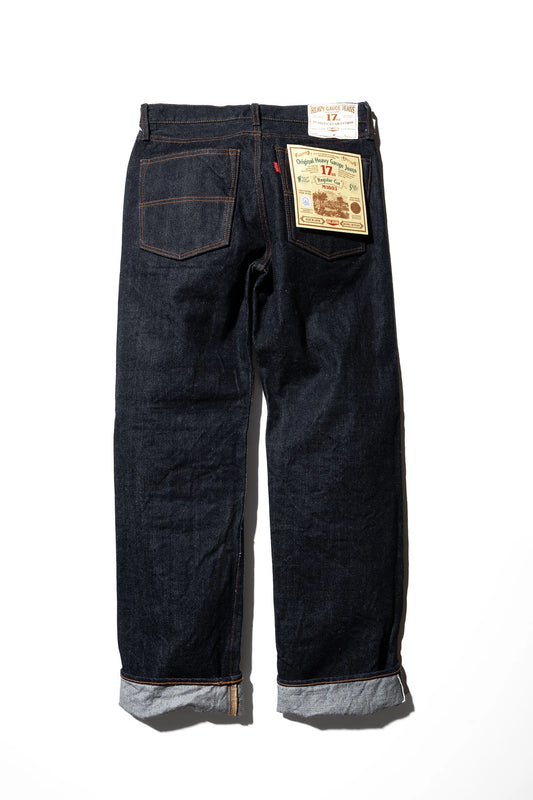
Raw denim refers to denim that has not undergone intensive industrial washing. It features a deep indigo color, a stiffer initial feel, and tends to shrink after the first wash.
One wash denim is raw denim that has been washed once by the manufacturer to stabilize the fabric and reduce shrinkage. It maintains the authentic raw look while being easier to wear from the start.
Both options are very common in high-quality Japanese denim.
What Is Selvedge Denim
Selvedge denim is a fabric with a self-finished edge that prevents fraying. It is produced exclusively on shuttle looms, slow machines that operate at low tension.
This weaving method creates a more irregular, textured, and three-dimensional fabric compared to modern industrial denim, giving it depth and character over time.
Why Japan Became the Global Reference
After World War II, American jeans arrived in Japan and quickly became a cultural icon. Japanese mills began studying vintage American jeans from the 1940s to the 1960s, carefully analyzing fabrics, dyeing methods, and construction techniques.
This obsessive attention to detail turned Japan into the global benchmark for selvedge denim.
Shuttle Looms vs Modern Denim
Shuttle looms produce denim slowly and with natural irregularities. Modern looms are fast and efficient but create uniform, standardized fabrics.
Japanese selvedge denim prioritizes fabric character over industrial perfection.
Key Denim Terms
Slub: vertical irregularities caused by uneven yarn thickness.
Nep: small knots or specks resulting from natural imperfections in the yarn.
Whiskers: fading patterns around the crotch area.
Honeycombs: fading patterns behind the knees.
Is Japanese Denim Durable
Not always in an industrial sense. The use of lightly processed yarns and low-tension weaving can reduce the theoretical strength of individual fibers.
However, the heavier fabric weight, often between 14 and 21 ounces, combined with robust construction, makes Japanese denim very durable in everyday wear.
Why Japanese Denim Costs More
The higher price comes from slow production, the use of vintage shuttle looms, half-width fabrics, skilled labor, and limited production runs with a strong focus on detail.
In short, it costs more because it is more complex and demanding to produce.
How to Choose the Right Size
It’s important to know whether the denim is raw or one wash. Raw denim shrinks more, while one wash is more stable.
In general, choosing a slightly longer length and evaluating the final fit after the first washes leads to the best long-term results.
Why Japanese Denim Wins People Over
Japanese denim is not disposable. It evolves over time, adapts to the wearer, and tells a personal story.
That balance of tradition, imperfection, and durability is what makes it so special.